
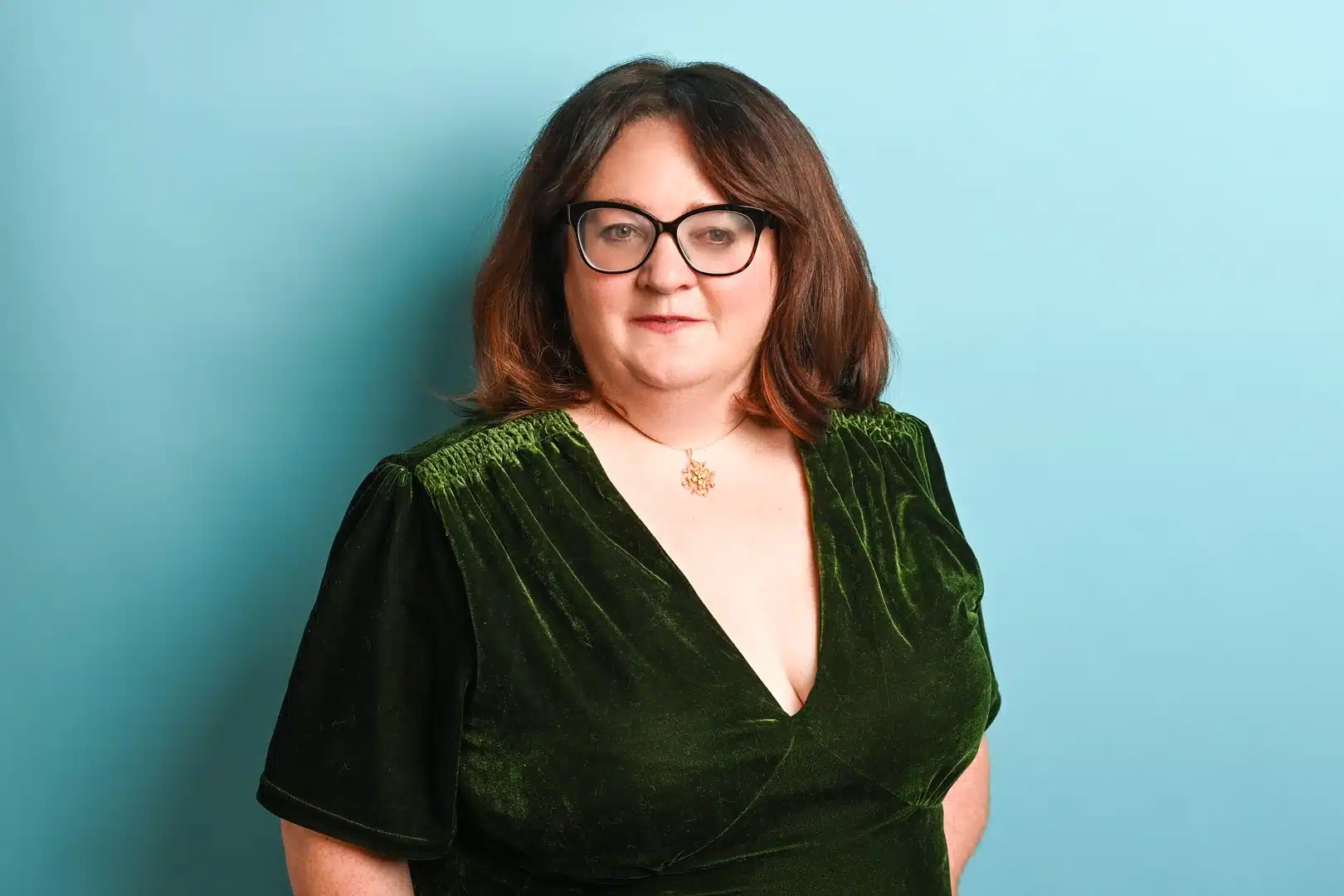
This success story focuses on award-winning creative producer Anna Mannion, who did two live workshops/programmes with us (Advanced Script Development in 2019 and Feature Rewrite in 2024-2025) and who has since reached impressive milestones! Her first feature film, You’ll Never Believe Who’s Dead, co-produced with Wildcard Distribution and Fine Point Films and directed by Dallan Shovlin, won the Best Irish First Feature award at the 38th Galway Film Fleadh in July 2026. Anna can be reached through her Sligo-based production company, Tri-Moon Films.
The video interview below was recorded with Anna on the 25th of March 2026. English subtitles can be enabled manually in the playbar if they don’t show automatically. A clickable chapter list, a full transcript and next steps are available after the video.
You can like (and comment on) this interview on LinkedIn.


Chapter List
- 00:00
Intro Anna Mannion (award-winning creative producer, Tri-Moon Films) - 01:06
What’s your background and your experience? - 03:57
As a creative producer, how do you like to work with screenwriters and writer-directors? - 07:28
Which kind of projects are you looking for at Tri-Moon Films at the moment? - 09:50
What was the impact of the Advanced Script Development workshop on your career? - 13:50
Why did you decide to apply for the Feature Rewrite Programme? - 18:20
How did you find the Advanced Script Development Workshop (Stage 1 of the Feature Rewrite Programme)? - 21:15
As a creative producer, what did you learn in the self-led course that was directly applicable? - 22:55
What did the workshop part of Stage 1 (the Q&A and groupwork session) bring to the table? - 24:17
How did The Rewrite Stuff Workshop (Stage 2 of the Feature Rewrite Programme) go and did it help you move your project and your career forward? - 28:05
What happened after the end of Stage 2 (initial meeting, rewrite and follow-up meeting)? - 32:27
Is there anything that you could attribute to the training and development work we’ve done together? - 35:15
Did you keep in touch with any of the participants? - 35:47
Overall what was the outcome of the Feature Rewrite Programme for you as a producer? - 37:04
Was the programme worth it and would you recommend it? - 37:28
What are you working on, what can we read or watch and what’s in the pipeline? - 38:51
Thanks Anna and congrats!
Interview Transcript
- Chapter List
- Intro Success Story Anna Mannion (award-winning creative producer, Tri-Moon Films)
- What's your background and your experience?
- As a creative producer, how do you like to work with screenwriters and writer-directors?
- What kind of projects are you looking for at Tri-Moon at the moment?
- What was the impact of the Advanced Script Development workshop on your career?
- Why did you decide to apply for the Feature Rewrite Programme?
- How did you find the Advanced Script Development Workshop (Stage 1 of the Feature Rewrite Programme)?
- As a creative producer, what did you learn in the self-led online course that was immediately applicable?
- What did the workshop part of Stage 1 (the Q&A and groupwork session) bring to the table?
- How did The Rewrite Stuff workshop (Stage 2 of the Feature Rewrite Programme) go and how did it help you move your project and your career forward?
- What happened after the end of Stage 2 (initial meeting, rewrite and follow-up meeting)?
- Is there anything that you could attribute to the training and development work we've done together?
- Did you keep in touch with any of the participants?
- Overall, what was the outcome of The Rewrite Stuff for you as a producer?
- Was the training worth it, and would you recommend it?
- What are you working on, what can we read or watch and what's in the pipeline?
- Thanks Anna, and congrats!
- Contacting or Finding Out More About Anna Mannion
- Sharing Your Own Success Story
- Finding Out More About Our Training
- Get Access to FREE Resources
Intro Success Story Anna Mannion (award-winning creative producer, Tri-Moon Films)
[00:00:00] Emmanuel Oberg: Hi Anna. It’s very nice to see you. How are you?
[00:00:05] Anna Mannion: I am good. I’m good. Thank you so much for asking me to do this. I’m delighted to be here. It’s always great to spend time with you, Emmanuel.
[00:00:14] Emmanuel Oberg: Well, I appreciate it because I know how busy you are and how much you travel as a producer. So, I’m really glad that we find a little bit of time to have this chat.
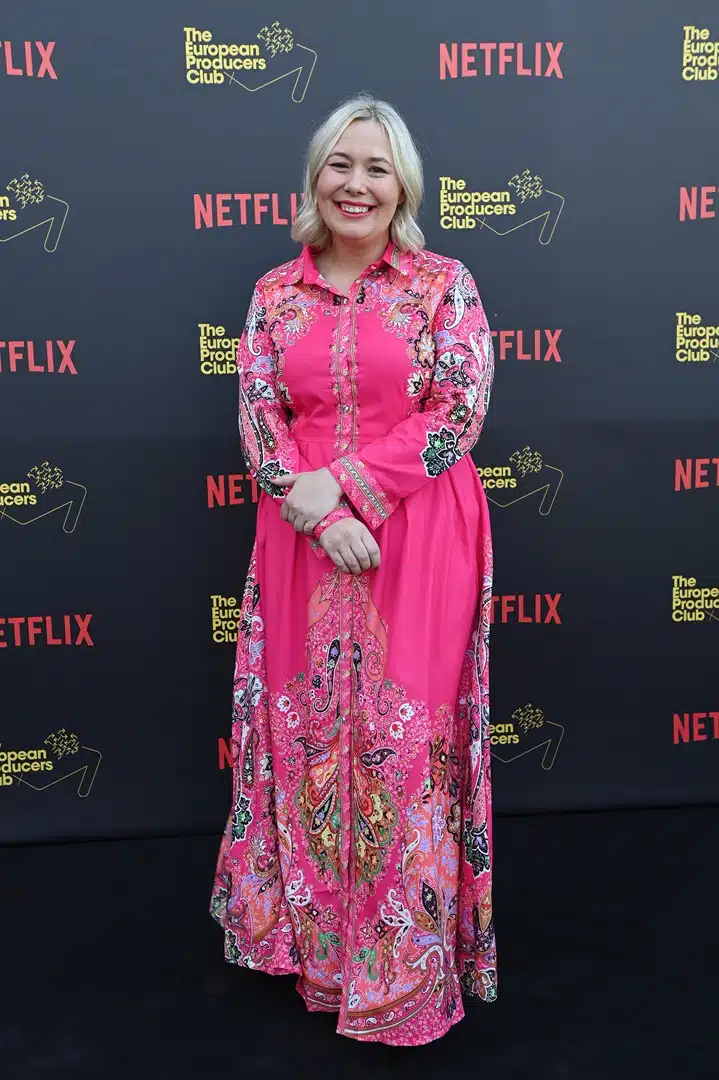
(VENICE, ITALY – SEPTEMBER 2022, Photo by Kate Green / Getty Images for Netflix)
Just to introduce this discussion. We first met in 2019, during one of my advanced script development workshops, I think it was in Dublin.
[00:00:39] Anna Mannion: Yes.
[00:00:40] Emmanuel Oberg: And since then you have set up your production company, Tri-Moon Films and you’ve co-produced your first feature film, “You’ll Never Believe Who’s Dead”, with Wildcard Distribution and Fine Point films. And we’ve also worked recently during our 2024-2025 Feature Rewrite Programme, so I thought it would be a good time to invite you to share your success story with us. First, can you tell us a little bit more about your background as a creative producer?
What’s your background and your experience?
[00:01:11] Anna Mannion: Sure. Yeah. So my background is very uncreative in terms of where I’ve come from.
I come from a background in finance and I left a very well-paying job in finance and went back to university — so this is second career for me — and studied TV production in the UK. And then I went through the ranks and crew, I started out as a runner and I worked my way up to production manager.
Then I moved into producing in 2019. When we met in 2019, it was pre-Tri-Moon era, and I was kind of figuring out what it was that I wanted to do in producing or even figuring out really what a producer does. So, I saw your programme advertised through Screen Ireland. I think it was through a newsletter or an email…
[00:02:11] Emmanuel Oberg: Yeah.
[00:02:14] Anna Mannion: …and I applied. And really, that was the first time that I had really looked at story or broken story down. So I think. For me, producing in a weird way — I was coming at it from a different angle. Because I had the finance side of things, I had to learn then how to creatively produce.
So that’s why I was on the lookout for these kind of story programmes, which is when I came across your programme, and I really felt that the way that you broke down story into elements, really worked for the way my brain works, if that makes sense. So I was able to see it in a mathematically creative way…
[00:03:02] Emmanuel Oberg: That’s going to scare a lot of people! [Laughter] But I’m glad it made sense to you!
[00:03:12] Anna Mannion: And it did. It was very much the start of my story journey or my creative story journey, and I was quite nervous about that, but it really unlocked it for me. It really gave me a very solid foundation then, when I moved into setting up Tri-Moon Films, later that year in 2019.
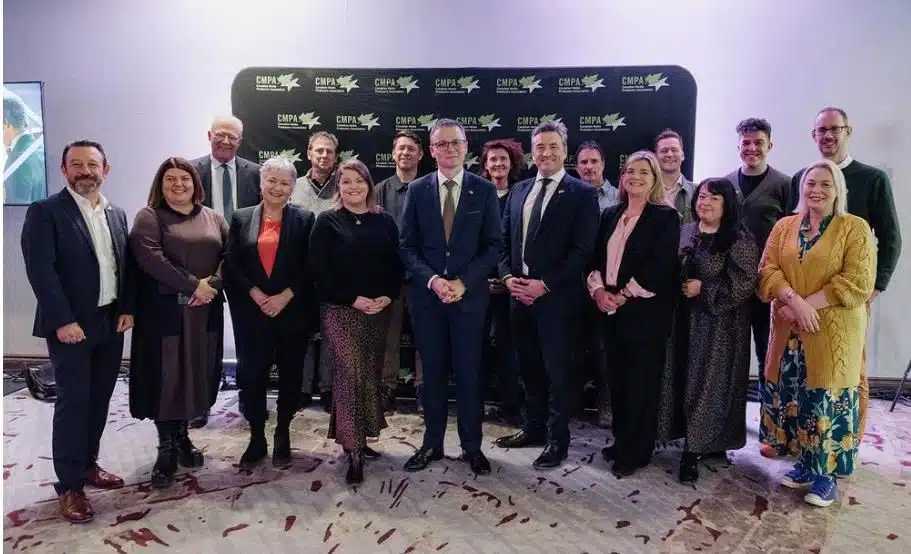
So I did the programme, I think it was early 2019. I remember it being sunny, so it must have been summer, although Summer in Ireland, who knows… [Laughter]… and I set Tri-Moon films up in the following October.
[00:03:55] Emmanuel Oberg: Okay, great. I usually ask — because I’ve had writers more often, sitting in your place — and I usually ask them about their methodology, because I always find that really interesting. But as you’re not a writer, I wanted to ask you, as a creative producer, how do you like to work with screenwriters and directors, and writer-directors when you develop projects with them? Because that would be interesting for them to find out.
As a creative producer, how do you like to work with screenwriters and writer-directors?
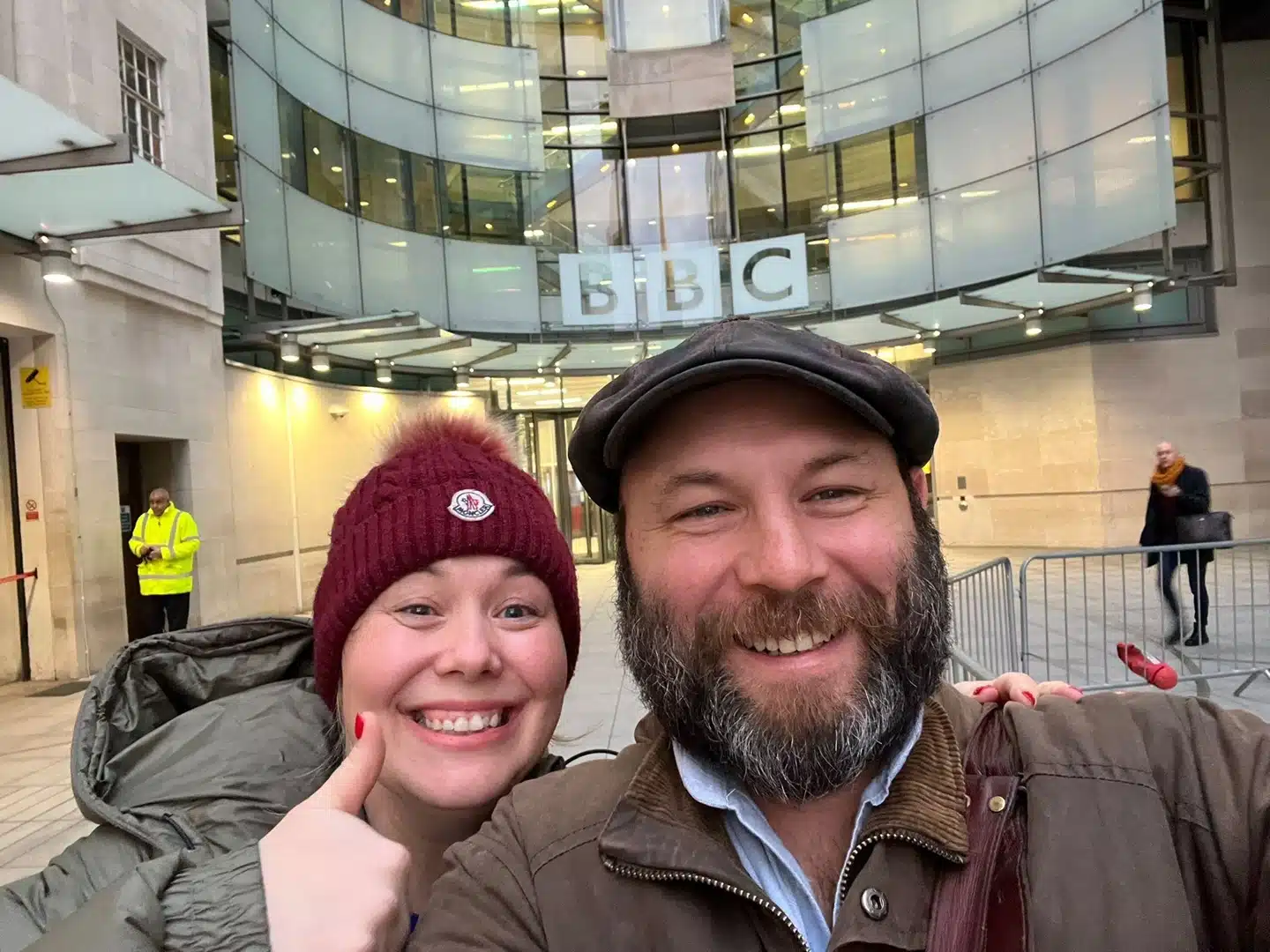
[00:04:19] Anna Mannion: Yeah, sure. Again, when I started the company, it was just me on my own. So I very much had to navigate that myself for the first few years, and kind of figure out how to work with writers. Since then, I’ve expanded and I now have a business partner, Sam Atwell, who comes from a very heavy creative background and our skills compliment each other very well.
But the best way to learn really, is to just jump right in as they say.
[00:04:52] Emmanuel Oberg: It is.
[00:04:53] Anna Mannion: Which, I kind of feel like I did, but thankfully, I guess the writers that I was working with, in the early years, I was learning as much from them, really about the process. And what I learned very quickly is that there isn’t a one size fits all. Every writer is incredibly different. The way their brain works is incredibly different. The way they process things is different. So, it really is a mixture of, I suppose, open communication, figuring out what is going to work in this scenario.
So you can obviously do story sessions through Zoom, in person… Some people prefer to receive written notes on drafts, and then do a story session. Some people don’t like to discuss notes at all. So I guess it’s firstly a sense and also asking the writer how they like to work.
I think as a producer, that’s our role. If we are working with a writer on a project, then we want to enhance and get the best out of the project creatively. And that is making sure that the writer is comfortable and happy with the creative setup, and the dynamic, the chemistry between the producer and writer.
That’s the other thing as well, I guess you really need to connect with the people that you’re working with. I think, being in a creative space, it’s a deeper level. And sometimes you have to share things that you wouldn’t normally share in your everyday working life. Because you’re talking about a character’s journey, and sometimes you may be able to share a personal experience of your own that reflects that character’s journey, and it enhances the creative discussion as a result of those personal experiences. So yeah, I think it’s really… I suppose it’s different with every single writer that we’ve ever worked with.
And actually, one of the things I love about my job, is the fact that no day is in any way the same as the day before.
[00:07:12] Emmanuel Oberg: Yeah. And it’s really a prototype industry, right? It is different every time. That’s great that you have this attitude, which is to try to find out how each writer works and how they like to work, because that’s the best way to help them to do their best.

Actually, I wanted to ask you as well, which kind of projects are you looking for at Tri-Moon at the moment? I mean, which genre? Which type of projects?
What kind of projects are you looking for at Tri-Moon at the moment?
[00:07:36] Anna Mannion: The golden question!
[00:07:38] Emmanuel Oberg: Well, you know, you’re here, so… [laughter]
[00:07:41] Anna Mannion: Our slate is really eclectic, so we are working across scripted TV and scripted feature, but we’ve also just opened an unscripted arm as well. So we’re now kind of working across a variety of things.
[00:07:56] Emmanuel Oberg: Vertical drama yet, or not? [Laughter]
[00:08:03] Anna Mannion: Who knows?
[00:08:03] Emmanuel Oberg: Who knows…
[00:08:07] Anna Mannion: But yeah, never say never, exactly. [Laughter]
But I think… In terms of the kind of project, I always say to people, we’re not specifically looking for anything in particular because our slate is so eclectic. Our current slate ranges from a kids live action show to an animation feature, to cozy crime, to darker, grittier noir crime as well.
So it’s very different. And we pride ourselves on that too, because we like the variety and I suppose we usually ask ourselves three questions: Do we like the script? Do we love the people that are attached? And could we see a market for this? And if it’s yes to all of those, then it’s a project we want to be involved in.
Because actually the writing is one thing. But as I said before about the connection between the producer and writer, if that connection isn’t there, then it’s not going to work in the long run. And equally as well from a producer point of view, there can be times when a project could be really commercially viable, but you’re not in love with the story, and then I’m not the best person to produce that because my heart and passion isn’t in it, and I don’t think you can separate passion and heart from what ends up on the page through the development process. It won’t be the best that it can be, basically.
[00:09:40] Emmanuel Oberg: Yeah, well, you’re going to spend a few years at least on this, so it better be something that you like and enjoy doing. That’s great.
I wanted to ask you, the first workshop we did together, as we said, was an Advanced Script Development workshop, in Dublin. That was with… I think it was Screen Skills Ireland at the time.
[00:10:03] Anna Mannion: It was.
[00:10:04] Emmanuel Oberg: Do you remember why you applied for it? I think you kind of told us, and more importantly, can you tell us what was the impact of this workshop on your career? Because you’ve kind of told us why you applied earlier on. So can you tell us if it did have an impact in the following years?
What was the impact of the Advanced Script Development workshop on your career?
[00:10:27] Anna Mannion: Sure, absolutely, yeah. So, as we discussed, I’ll just briefly say again that the reason I applied was because I come from a very financial-heavy background and I just felt out of my depth in the creative space and I really needed to hone that skill set or learn that skill set to be able to work with writers to develop projects.
So that was the main reason why I applied. I suppose in terms of how it helped and progressed my career was that I really took away the fundamentals of story. I understood the story structure and I was able to apply those skills then into working with writers to develop projects.
I think obviously at that stage, I had no projects to develop because Tri-Moon wasn’t in existence. And you know what, I’m thinking back now, even doing that course, I don’t think I’d even planned to set up Tri-Moon. I think it sort of feels aligned that this programme came up and I thought, oh, maybe I’ll do this because I would really like to move into producing at some stage. And then it was maybe only a few months later that Tri-Moon came into an existence.
So I did start developing projects pretty quickly, once I set up Tri-Moon in the October. And it had given me, as I said, the fundamentals of what to look for as well when reading scripts. That was a massive part of it too, because as producers we’re sent a lot of material to read, we spend a lot of time reading. It’s one of my favorite things about the job. Sadly, I don’t get to do it as much as I used to, but it’s being able to look at the current script that you’re being sent and see the development potential. Like what is it that we could achieve through this development journey if we were to take this project on?
And prior to doing your course, obviously I had personal opinions about films I had watched, or books I had read, but I had no actual academic understanding of the story structure or of how it all came together. So really, without having done the programme, I wouldn’t have been in a position to be able to work with writers to develop projects.
[00:13:04] Emmanuel Oberg: Well, I’m sure you would’ve found a way, but it’s good to hear that it helped! [Laughter]
[00:13:08] Anna Mannion: And actually, sorry, you’re gonna laugh at this, but this is like a little clout for your PR, but look what I found… [brings Emmanuel’s book on TV Series in the frame] I don’t know if you can see that because of my blurred screen…
[00:13:18] Emmanuel Oberg: I can see it. I can see it. [Laughter]
[00:13:21] Anna Mannion: So I’ve been reading your books. I think you have three books now, Emmanuel, is that right?
[00:13:26] Emmanuel Oberg: I do, I do. Yes. I’m going to blush now if you bring these up… [Laughter] People are going to think it’s a set up. Well, at least it’s the old cover, so I could not have given that to you recently, just for the promo. [Laughter]
[00:13:39] Anna Mannion: I promise you, I can provide receipts to anyone watching this. I bought this with my money. [Laughter]
[00:13:46] Emmanuel Oberg: I’m sure everyone trusts you. [Laughter]
But as you said, that was a while ago, so let’s talk about the workshop that we did more recently together, which was the feature rewrite workshop, that you did, supported by Screen Ireland. That was with an early draft of your project “To Win Just Once”. And you attended as a creative team, with Jennifer Davidson, your screenwriter.
[00:14:11] Anna Mannion: Yep.
[00:14:12] Emmanuel Oberg: And so what made you decide to apply for that rewrite workshop? That was a bit more than a year ago now.
Why did you decide to apply for the Feature Rewrite Programme?
[00:14:19] Anna Mannion: Yeah, sure. So, Jennifer and I have been friends for a few years. We’re both wasted? No, sorry, that’s not what I meant to say! [Laughter] We’re both based in the northwest of Ireland.
[00:14:32] Emmanuel Oberg: Well, both are possible! [Laughter]
[00:14:37] Anna Mannion: And we’d been trying to find a project to work on together for a number of years. And finally, we decided we wanted to work together on “To Win Just Once”. It’s a project that’s set in the northwest of Ireland, which is a really big part of Tri-Moon Films’ remit.
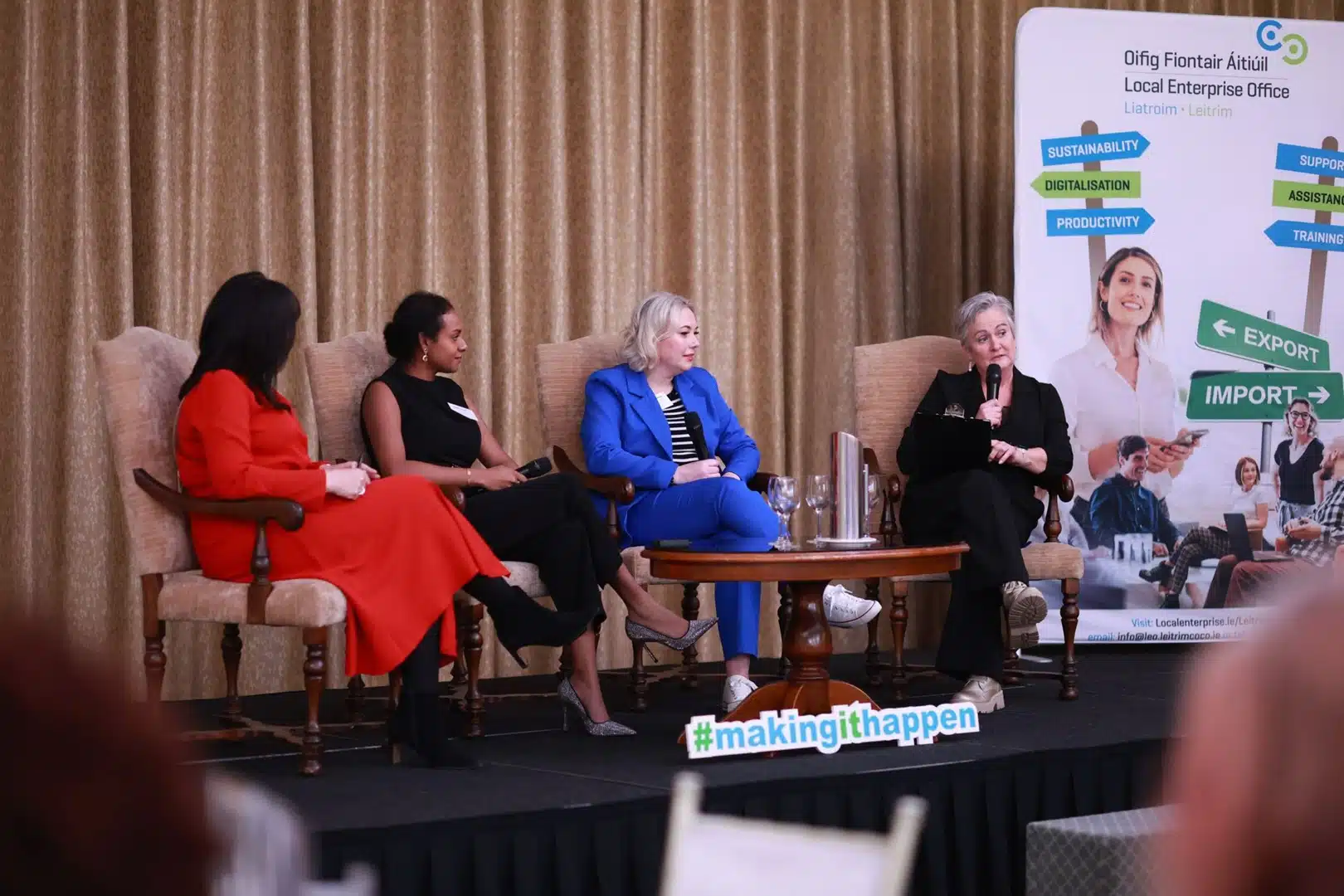
I don’t know if I’d mentioned this before, but we’re based in Sligo, the northwest of Ireland. It’s a small industry here and we’re trying to continually expand and create a sustainable industry here in the region. It’s really exciting and important to us to work with creative talent that is also from the area and create stories for the global market that are showcasing the Northwest region outside of Ireland.
So “To win Just Once”, well, I’d been looking for a romantic drama for a really, really long time. We had nothing on the slate in that space, and it’s not for want of trying, we just hadn’t found the right project. So when Jennifer sent the material for “To Win Just Once”, it just… It was regional. It was a romantic drama. It was female-led… It ticked all the boxes. So I was so excited about it from day one.
And then, I think within possibly two or three weeks of us discussing that, you launched your programme and it really felt like it was just at the right time for that project. You know, it was in the right place. And I suppose as well we weren’t really sure where the workshop would lead us, in terms of where we would end up at the end of the programme.
But we knew that obviously we would be able to develop it in a short space of time, but in an intense period of time, if that makes sense.
[00:16:45] Emmanuel Oberg: Yeah.
[00:16:45] Anna Mannion: And that’s quite a joy. I mean, when does that ever happen on any other project? You know, usually you give your notes to the writer, it might take a month or two weeks or whatever for them to come back. And on a daily basis, you’re dipping in between five or six different projects at different stages. That’s just the reality of our jobs.
Whereas this just felt like we could really engross and immerse ourselves in it. And the fact that Jennifer and I are friends as well, we were like: “Amazing! We’re gonna get to spend a block period of time together too”. And the programme was based in Donegal, so it just meant that we could really dedicate that time solely to this project.
At that stage, there was no funding attached to the project, so we were in early development, packaging for the purpose of a Screen Ireland application. We knew that that’s what we could really focus on with this programme, because that was always going to be our end goal, which we achieved.
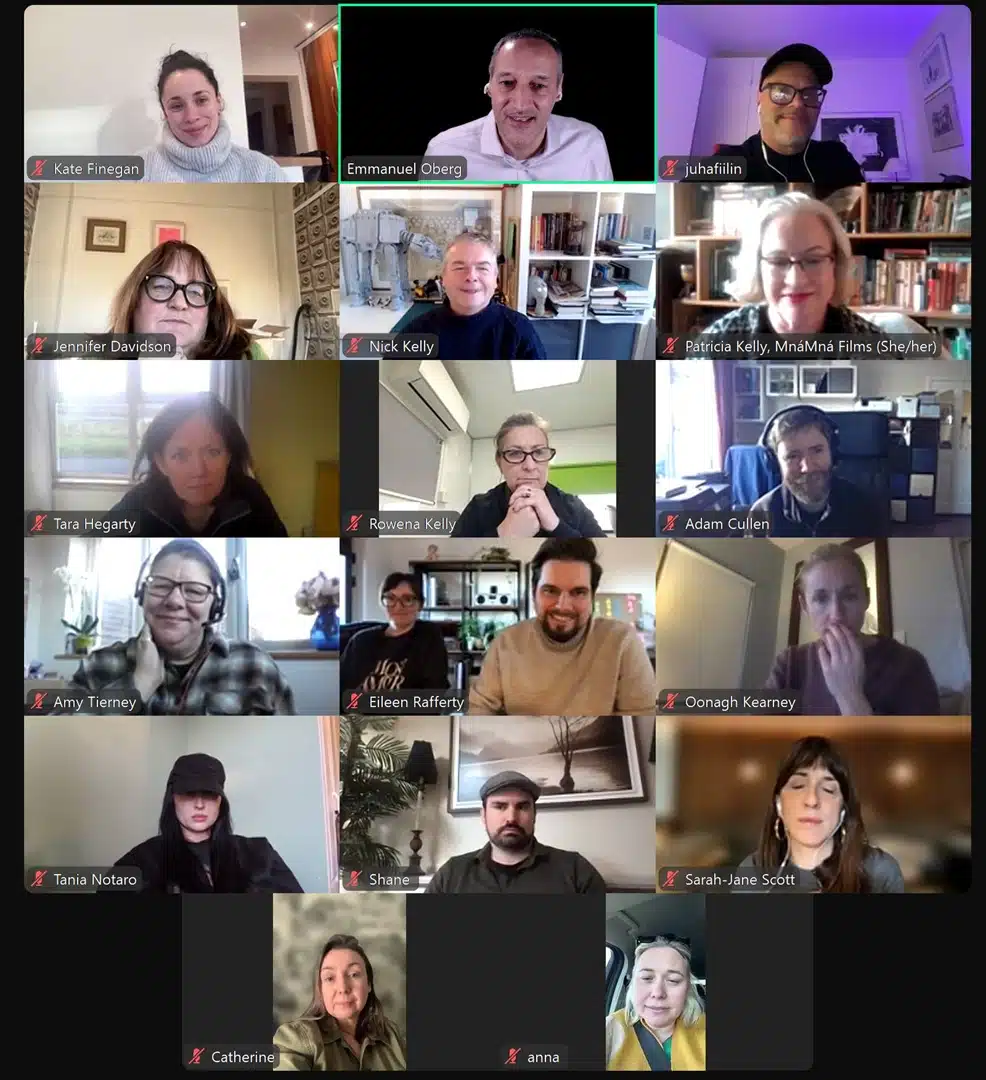
So, I’ll go back to the programme in a minute, but we did the development programme with you in January 2025. It was a week long programme, and then we had a couple of one-to-one sessions with you over, I think it was a two month period after that…
[00:18:20] Emmanuel Oberg: Some people who are watching this might not know about the programme, so let me just summarize it very quickly.
How did you find the Advanced Script Development Workshop (Stage 1 of the Feature Rewrite Programme)?
It’s in two stages, and the first stage has two parts. It has a self-led part, that’s based on our Advanced Script Development course, online course, and then a live part, which is with group work and Q&A sessions. And that’s the one where you did only one session, while people now have four sessions as they go through the course, because it became a full workshop.
So to begin with, and if you remember any of it because it was a year ago, can you tell us how you found the online course? Basically the online version of the workshop you did in 2019?
[00:19:05] Anna Mannion: Yeah. So this was the pre-online bit that we did prior to doing…
[00:19:11] Emmanuel Oberg: Exactly, the second stage.
[00:19:12] Anna Mannion: Okay. Absolutely. Obviously, it was a refresher for me because I did it in 2019 and a significant period of time had passed since then. It was actually the tail end of the Christmas holidays I think, so it meant that I could fully engross my time doing the videos and what was great about that was that you can manage your own time while you’re doing it. So I was able to pause it and come back. I’d go right, I’ll do 30 minutes now this morning, and then I’ll come back and do another hour after lunch.

It’s the same thing if you sit and you binge a Netflix series, you know, a month later you don’t even remember you’ve watched it, if you intensely watched the whole thing in one go. So it just really meant that I could stagger, with my time, which was great. And that was really, really beneficial as well because I had had a full complete refresh then going in to the actual in-person workshop, which was in early January. I think it was our first week back after Christmas actually.
[00:20:20] Emmanuel Oberg: Yeah.
[00:20:21] Anna Mannion: I think that’s how we started 2025. Yes. So that was brilliant. And then it was, I suppose, taking all of that knowledge that we’d been going through with the online stuff and using it in the in-person workshop, but also as well, it meant we were all speaking the same language. Everybody had listened to and watched the same material, which again is not usual with most programmes, so we were all coming with a certain knowledge attached to it, which I think was of huge, huge benefit. And actually that opened up many group discussions. Even from the minute we started the programme, there was lots to talk about. So yes, hugely beneficial. And so I am assuming that you still run that online part as part of…
[00:21:13] Emmanuel Oberg: Yes, definitely, as part of that first stage. One question, do you remember anything that you found immediately applicable from the online course? Something that you were able to use right away. If you go blank, that’s fine. It was a year ago!
As a creative producer, what did you learn in the self-led online course that was immediately applicable?
[00:21:28] Anna Mannion: I remember the case studies. And there are two things that stick out to me. I think “Gravity” is one of your favorite ones, am I right? Yes.
[00:21:35] Emmanuel Oberg: It’s the plot-led one, yeah.
[00:21:35] Anna Mannion: Yeah. So I, I found those case studies incredibly… I suppose you’re attaching real life story to the methodology, let’s say. So it’s things like that that really stuck in my brain, and I had remembered that from the 2019 programme as well. So maybe it’s something to do with the way my brain processes stuff, case studies really work for me and when I’m reading anything now, I’m always thinking, what’s the story-type? Well, because, you know, there’s only a few. [Laughter]
[00:22:11] Emmanuel Oberg: Yeah. I mean, I hope you keep hybrids and exceptions in mind as well, because there are quite a few of those as well. [Laughter]
[00:22:17] Anna Mannion: Yeah, absolutely. But it’s a way of the brain recognizing something in something, and then seeing the other bits around it.
[00:22:26] Emmanuel Oberg: Mm-hmm.
[00:22:26] Anna Mannion: I don’t know if that sentence makes any sense.
[00:22:28] Emmanuel Oberg: It does. To me at least. [Laughter]
[00:22:32] Anna Mannion: Hopefully to everyone else as well, but who knows? [Laughter] So I think I need that. You know, the way that my brain works, I need that so that I can see everything else. You attach yourself to something within the story. So I use that all the time. I use it every day when I’m reading scripts.
[00:22:54] Emmanuel Oberg: Excellent. As part of this Stage 1 workshop, we now have a few online sessions while participants are going through the online course, including group work exploring the concepts in the course, and Q&As about the content. As we said, in the 2025 Feature Rewrite Programme, you only had one live session at the end of the online course because that first stage was not a full workshop yet. But can you tell us what this online group work and Q&A session brought to the process — that final session we had in your case?
What did the workshop part of Stage 1 (the Q&A and groupwork session) bring to the table?
[00:23:28] Anna Mannion: It was really beneficial because we were discussing what was going to happen in the programme. So you weren’t going in blindly really. You knew what was ahead of you in terms of the development, but also, it gave us the forum to ask those questions, to prepare ourselves, and also to meet the other participants through the online space, which is always nice to do prior to. And then if anybody had any questions from the online videos as well, we were able to ask and address those in that session too.
So I think it’s great. And it also just meant that when we met on the first day on the programme that we all had these discussions prior to, yeah.
[00:24:14] Emmanuel Oberg: Excellent. So now let’s talk about the second stage of the Feature Rewrite Programme, which is called “The Rewrite Stuff – 12 Ways to a Stronger Screenplay”.

And for those who are not familiar with it, it’s a project-led, six-month hybrid workshop that starts with an intensive one-week in-person event, where selected writers workshop their projects before defining a clear direction for a rewrite. And within the next few months, we have a follow-up meeting online, so that each writer or creative team can get feedback on their rewrite before moving to the next stage with it.
So, how did this Stage 2 workshop — the in-person week and the meetings — go from your point of view and how did it help you to move your project, and your career forward?
How did The Rewrite Stuff workshop (Stage 2 of the Feature Rewrite Programme) go and how did it help you move your project and your career forward?
[00:25:10] Anna Mannion: Well, it was a real luxury because as a writer and producer we got to spend huge block periods of time together, which you don’t tend to do unless you’re in a writers’ room. So that was just great. But also as well, we were set tasks throughout that time. The day started off with the session that you would do with the group and then you would set us a task and we would go away and discuss that, and it was usually related to one of the 12 steps of the rewrite programme.
And it really opened up a lot of great discussions between Jennifer and I about the overall story, about the characters as well. I mean, what was actually so great is I remember on our second last day or maybe our last day, Jennifer and I, the characters were so real to us. It was like they were sitting with us as part of the conversation because we’d had so many in-depth discussions.
So it got to the point where we were like “Well, would the character do this? I’m not sure she would”, you know, and I suppose unless you are in a writers’ room setting, which as we’ve just said, doesn’t happen as often as it could or should, due to financial constraints for most projects in those very early stages of development, in particular prior to applying for development funding, it really gave us that time and space to analyze the story in every possible way. And as a result, the project changed significantly over that week.
And Jennifer and I collectively agreed on points rather than me giving notes and Jennifer going away and writing something and coming back. This was something that we were sitting down and discussing together. And also sharing our own life experiences as well. Our lead female character has dealt with things that both Jennifer and I have in our lives. So we were able to share some of our personal stories that added significantly to that character’s journey. And also the world around that character too. So it was just… It was a joy, really. It was like a holiday! [Laughter]
[00:27:43] Emmanuel Oberg: Well, it’s not often that a creative team can spend a week together to really talk through all these different aspects of the project. It’s a bit like an accelerated process — going through five or eight drafts almost in the process of a week, just by asking all these questions and focusing on these different aspects.
We had an initial meeting at the end of that week, where we defined a direction for the rewrite. And then you did a rewrite. We had a follow-up meeting. And then what happened?
What happened after the end of Stage 2 (initial meeting, rewrite and follow-up meeting)?
[00:28:18] Anna Mannion: Well, we took your final notes out of that final session, and we went and we started applying them to our Screen Ireland application. So we would’ve finished the programme with you in May or June, and I think we applied to Screen Ireland in… I think it was October, or maybe it was the summer. Anyway, it wasn’t long after that period of time.
[00:28:52] Emmanuel Oberg: It might have been a bit earlier than that, when you applied.
[00:28:55] Anna Mannion: Yes, you’re right. I think it might have been the summer actually.
[00:28:58] Emmanuel Oberg: Yeah, July or something like that.
[00:29:00] Anna Mannion: Yes. So it really wasn’t that long a period, from when we finished to applying and, as a result of doing the workshop, it meant that we could apply with a sample portion of the script as well. Because there’s two options with Screen Ireland. You can apply with a 10-page treatment or a shorter treatment and a sample of the script. And because we had done so much work on the development side of it through the programme, it meant that we were able to get into some of the scripting stage, which again, you don’t always have that luxury when you’re going in for first stage development.
So it was a very different application process to any other one that we’ve done. It was a very quick turnaround then, from when we finished to being able to apply. So realistically, when you think about it, we started the programme in January, and then six months later we had a couple of pages for the script and we had a treatment and a full application submitted to Screen Ireland, which again, given the length of time it takes to develop stuff and get it in…
We tend with our development process, we always say to writers, look, we like to take our time. This isn’t going to turn around overnight. Because you know, development funding is incredibly competitive and you just want to make sure that what you’re putting in is the absolute best that it can be.
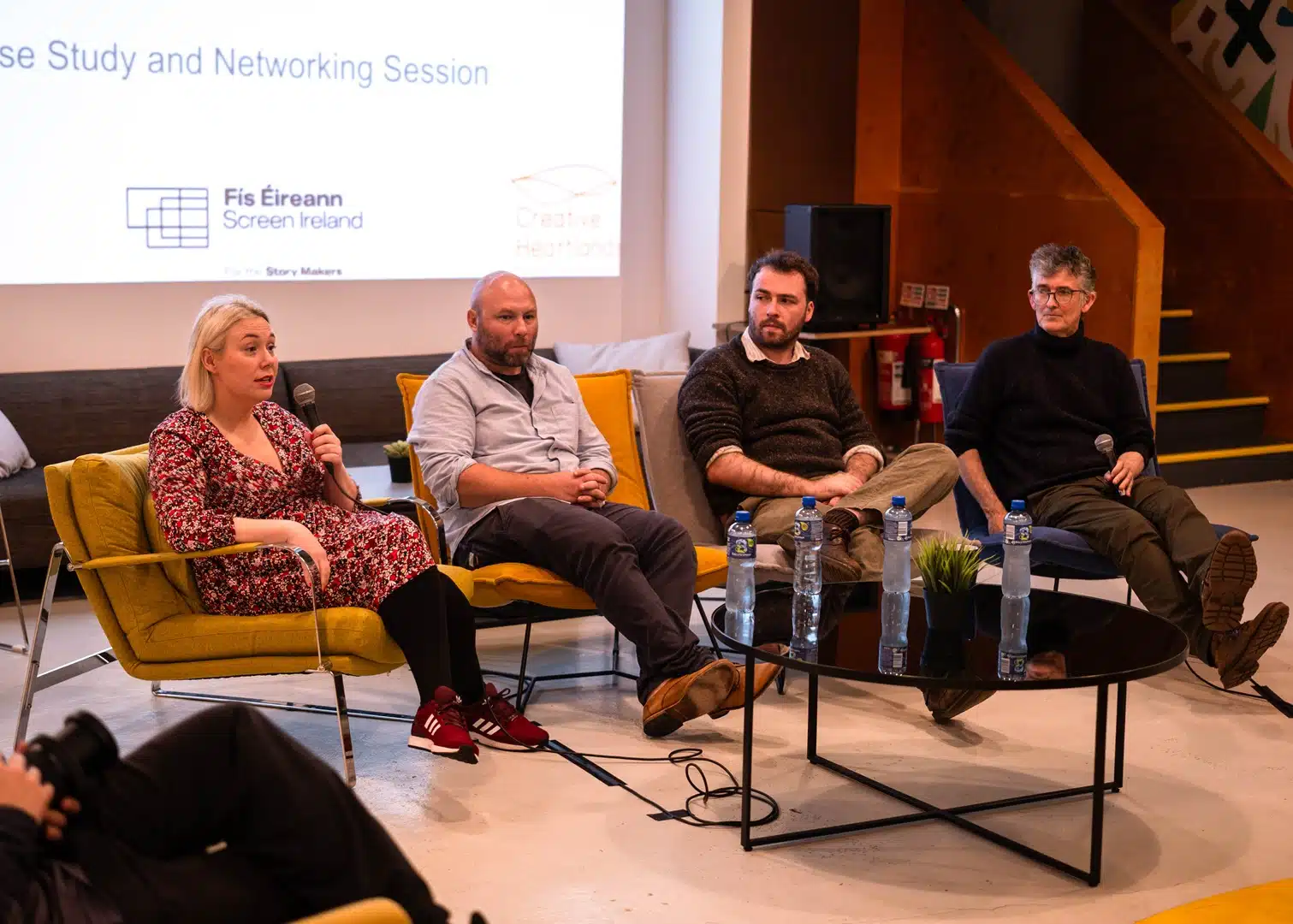
You only get so many chances with Screen Ireland or the broadcasters as well. So it’s really important that what you are submitting is in a good place. And, as a result of doing this programme, it meant that we were able to turn that around pretty quickly.
[00:30:56] Emmanuel Oberg: I guess the fact that Jennifer is very experienced also helped?
[00:31:01] Anna Mannion: Oh, absolutely. Yes, most definitely. Jennifer’s background is that she has written on “Fair City” for a number of years, so she’s an incredibly fast writer as well. And I think this is a story that’s lived in Jennifer’s brain long before I came on the scene. So, you know, I can’t take credit for that side of things at all. She really had a very clear idea of who her lead character was and where she wanted the story to go. I suppose the massive benefit of us being able to sit down and work on it intensely together over that first week was that we could really question everything, question all the decisions that were on the page currently, and expand the story that way. So yeah, it really was a seamless process. It was fantastic! And obviously the icing on the cake being that we got the development funding from Screen Ireland.
[00:32:03] Emmanuel Oberg: Congrats!
[00:32:04] Anna Mannion: Thank you. And thank you for all your help on that. And we’re in the process now of drafting the first full draft of the script…
[00:32:16] Emmanuel Oberg: That’s really exciting! Really great. That’s the kind of stories we like to hear, really positive. And of course, I mean that success, you being successful with the application comes from your hard work and talent and Jennifer’s talent and hard work as well, but is there anything that you can attribute to the training and development work that we’ve done together? Something that changed in the project because of the work we’ve done together?
Is there anything that you could attribute to the training and development work we’ve done together?
[00:32:47] Anna Mannion: It’s so hard to pick just one thing.
[00:32:55] Emmanuel Oberg: It is, I know. It’s a hard question. But I like to ask it. For that reason. [Laughter]
[00:32:57] Anna Mannion: It’s a really hard question. So, anyone listening, there’s a lot of reasons…
[00:33:05] Emmanuel Oberg: Nah, I want just one… [Laughter]
[00:33:09] Anna Mannion: I think it really forced us to look at our lead character’s wants and needs. That was a really, really big part of our discussions over that week. And as a result of that, the trajectory of the story changed. So I think working on the character and really analyzing the story-type as well. That’s two things…
[00:33:35] Emmanuel Oberg: That’s okay. I’ll make an exception for you. [Laughter]
[00:33:39] Anna Mannion: As I said, Jennifer is a fantastic writer, and it was just such a joy to be able to sit down and have these discussions both in our group work– because that’s the other thing to say, that we would go off and do our own thing, but then we would come back and you would split us into groups and we would discuss what we had done.
We’d also read each other’s material and we would give each other feedback on the material. So that was a really big part of the process as well. You know, Jennifer and I are both women in our forties, so it’s nice to get other people’s perspectives on whatever it was we’d been off discussing in the previous group session. So, yeah, I can’t hone it to one, I’m sorry.
[00:34:32] Emmanuel Oberg: No, that’s okay. And it’s great, I mean, I’m glad that you mentioned this because it’s a big part of the programme to get feedback from your peers, because I certainly don’t believe that I’m always right! I do my best to help, but I think it’s really, really interesting to get feedback from other experienced participants, and I always try to have a variety of people in the room.
Everyone is different, the projects are very different, but I guess the common element is that everyone is passionate about their story and most of the participants are very experienced as well, which makes a difference regarding the quality of the feedback that you get. Talking of which, did you keep in touch with any of the participants?
Did you keep in touch with any of the participants?
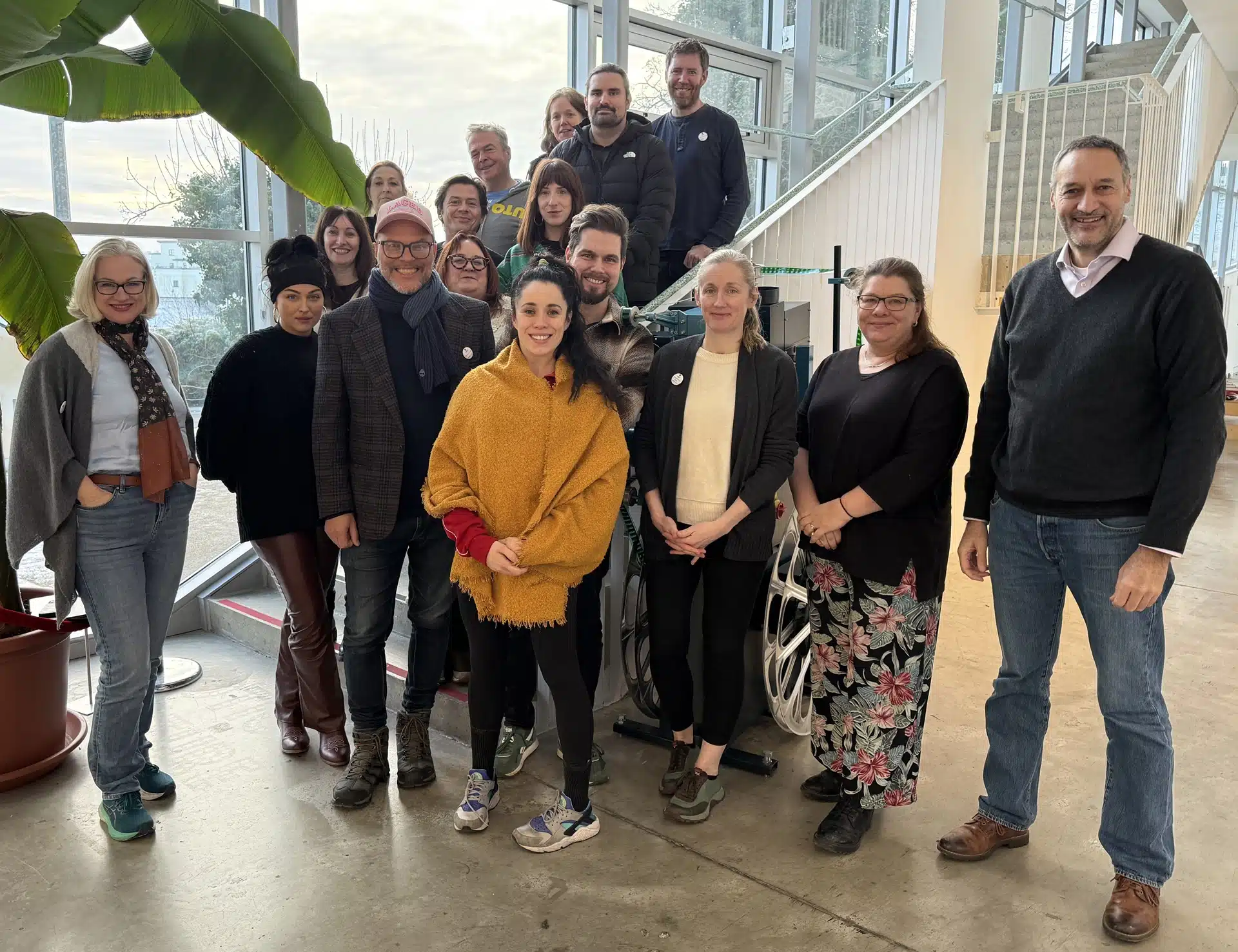
[00:35:19] Anna Mannion: Yes, absolutely. Some of the participants we knew beforehand, I mean, Ireland’s a small place, and the fact that it was in the northwest of Ireland meant that we did. There’s a WhatsApp group as well. So, you know, that communication has kept going. If somebody has a film coming out, they share it on the group. So it’s lovely to get those updates from the group as well.
[00:35:47] Emmanuel Oberg: And so overall, what was the outcome of the Feature Rewrite Programme for you as a producer? Not only on the project you took with you, but also on your other projects?
Overall, what was the outcome of The Rewrite Stuff for you as a producer?
[00:35:59] Anna Mannion: I think in terms of working with writers, the questions that I am now asking writers about the initial scripts that we’re getting in are very different to what they previously would be. Because you do get a deeper sense of what the writer’s vision for the project is.
So that’s been incredibly helpful. In terms of the project, the benefit has been huge. We’re now in development with Screen Ireland on the project. The project is moving forward. We’re fifteen months in now and we should have a script fairly soon, so…
[00:36:40] Emmanuel Oberg: That’s great.
[00:36:41] Anna Mannion: It’s been a really fast and great process as a result of doing that. It was like development on speed… I think it’s the best way to describe it. [Laughter]
[00:36:53] Emmanuel Oberg: I might steal that idea. “Development on speed”.
[00:36:57] Anna Mannion: We don’t condone drugs! [Laughter]
[00:36:59] Emmanuel Oberg: No, no, of course we don’t. Definitely not.
So I guess if I ask you, was the training worth it and would you recommend it, you would say yes?
Was the training worth it, and would you recommend it?
[00:37:09] Anna Mannion: I would. I would indeed. And also my business partner, Sam, has done many of your programmes as well.
[00:37:15] Emmanuel Oberg: Yes, he has. He’s great. He’s very, very good.
[00:37:17] Anna Mannion: Yep. And he also has your books, so, you know…
[00:37:21] Emmanuel Oberg: That’s not why he is good, but I’m glad he has them! [Laughter]
Well, thank you very much. Before I let you go, I would like to ask you, can you tell us what you’re working on at the moment and if there’s anything we can read or watch of yours, if we want to find out more about your work and what you have in the pipeline?
What are you working on, what can we read or watch and what’s in the pipeline?
[00:37:45] Anna Mannion: Sure. So “You’ll Never Believe Who’s Dead”, which was the feature film we co-produced last year, that’s just been taken up by Bankside. That’s due for a cinema release, hopefully later this year. It’s a Christmas film, so keep an eye out for that.
In terms of what else is coming up, we’ve got a few unscripted projects that are going into production over the next few months, so they will be airing next year.
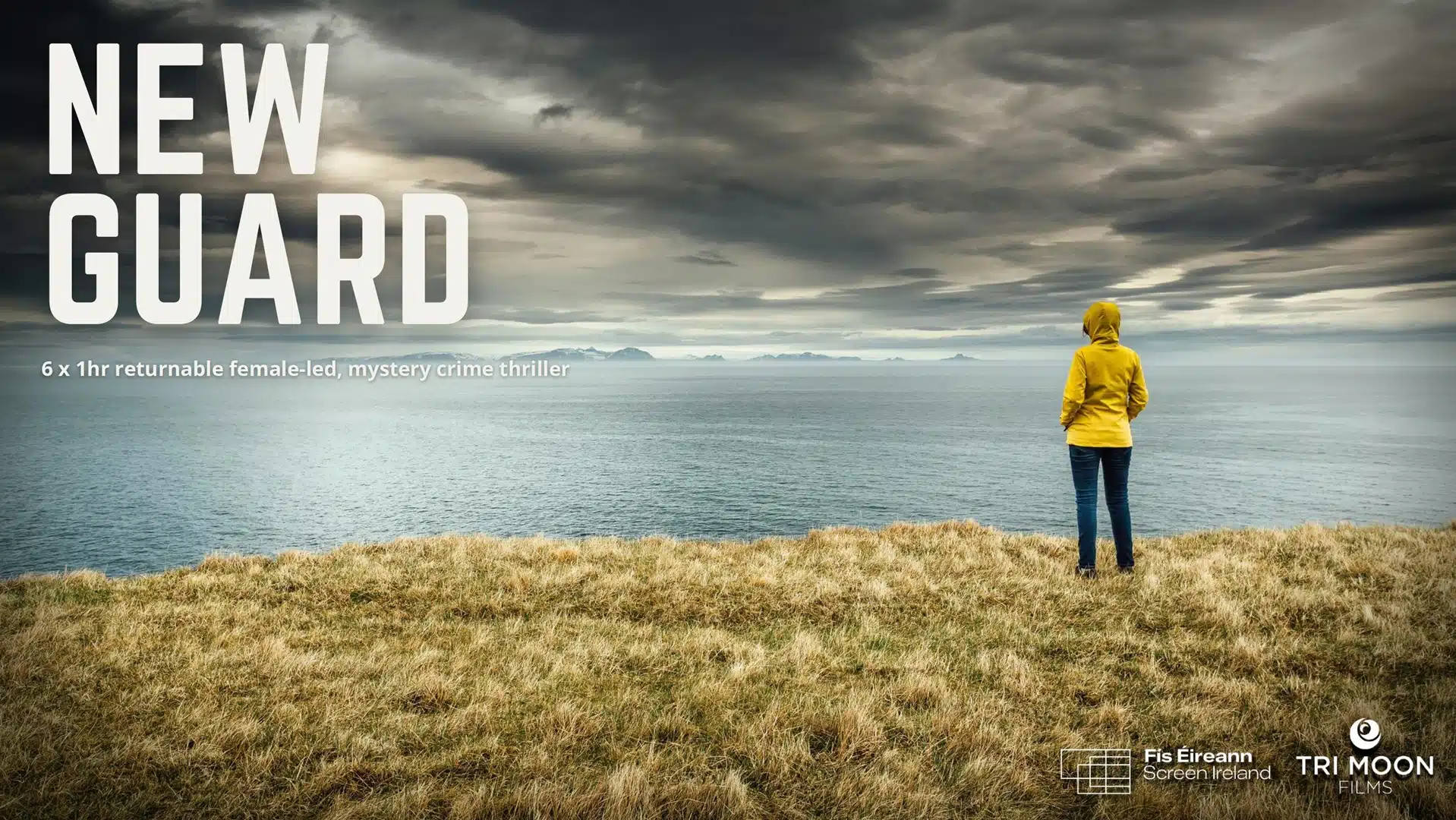
And in terms of the scripted, we have quite a few projects that are almost ready to go. We just don’t know which one will go first. So that will either be a crime series that’s set between Sligo here in the northwest of Ireland and New Finland in Canada.
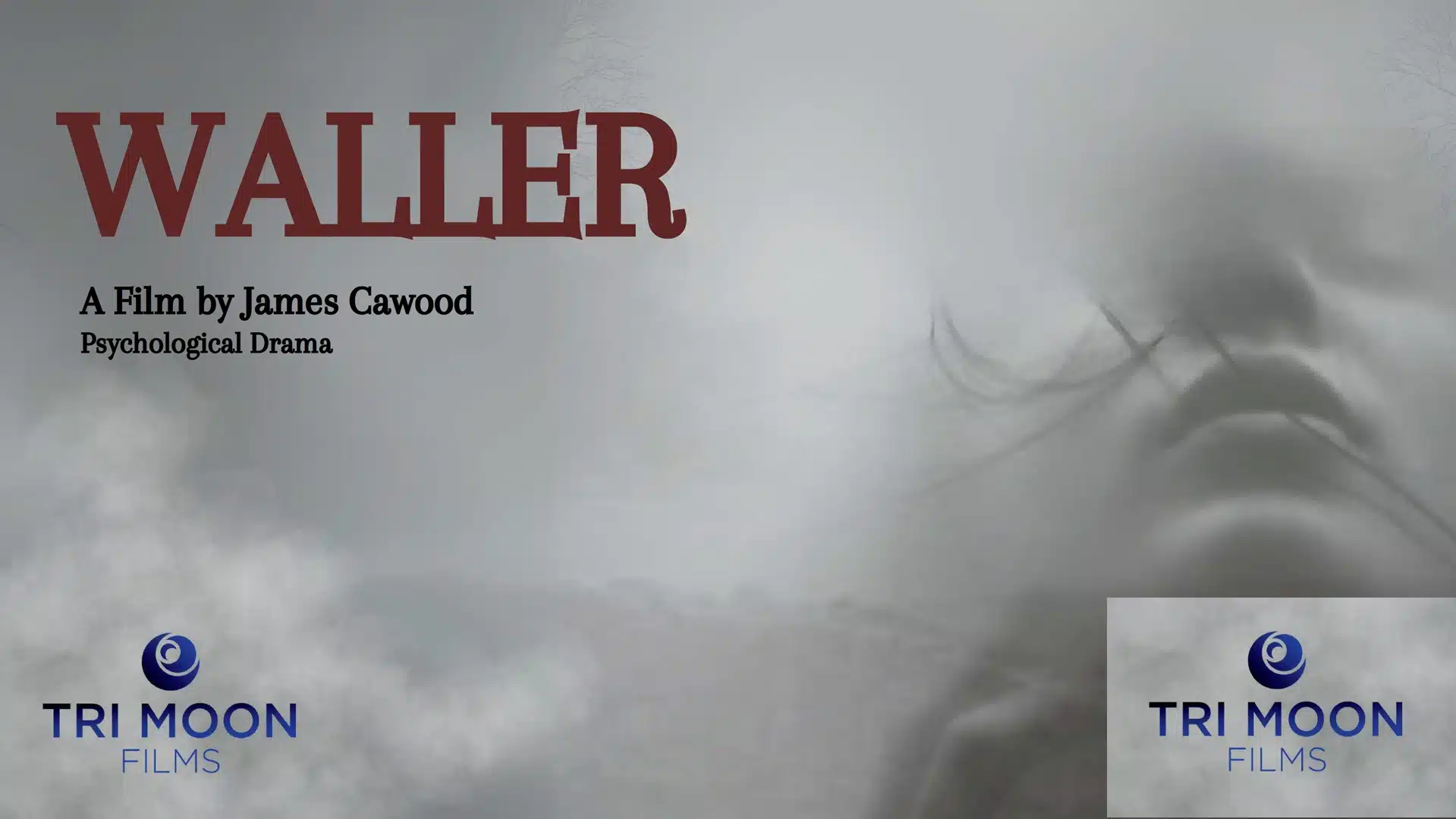
We also have a feature film called “Waller“, which is about a woman who’s hired to go up the top of a mountain and build a dry stone wall. And things get a bit weird when she’s up there, when she realizes that she’s not building the wall by herself. So a bit of a psychological drama / horror type piece.
So yeah, there’s a few things in the pipeline.
Thanks Anna, and congrats!
[00:38:48] Emmanuel Oberg: That’s really exciting. Well thank you so much, Anna, for all your time. And congratulations for all these achievements. It’s really, really exciting to see you doing so well.
[00:39:02] Anna Mannion: Thank you.
[00:39:03] Emmanuel Oberg: I am going to keep following you on your travels and everywhere because I can see that you are very active in promoting your projects and your company. And it’s great to see that. Thank you so much, I’m sure I will see you again very soon.
[00:39:25] Anna Mannion: Absolutely. You’re not getting rid of me that easily! [Laughter]
[00:39:27] Emmanuel Oberg: Oh no, I don’t intend to! [Laughter] Thank you, Anna. Take care.
[00:39:32] Anna Mannion: Thanks a million!
Next Steps
Contacting or Finding Out More About Anna Mannion
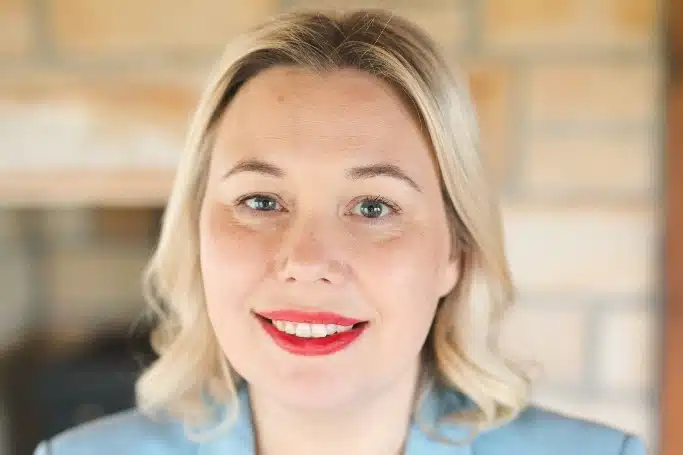
For more information about Anna, please visit Tri-Moon Films or Anna’s LinkedIn.
Sharing Your Own Success Story
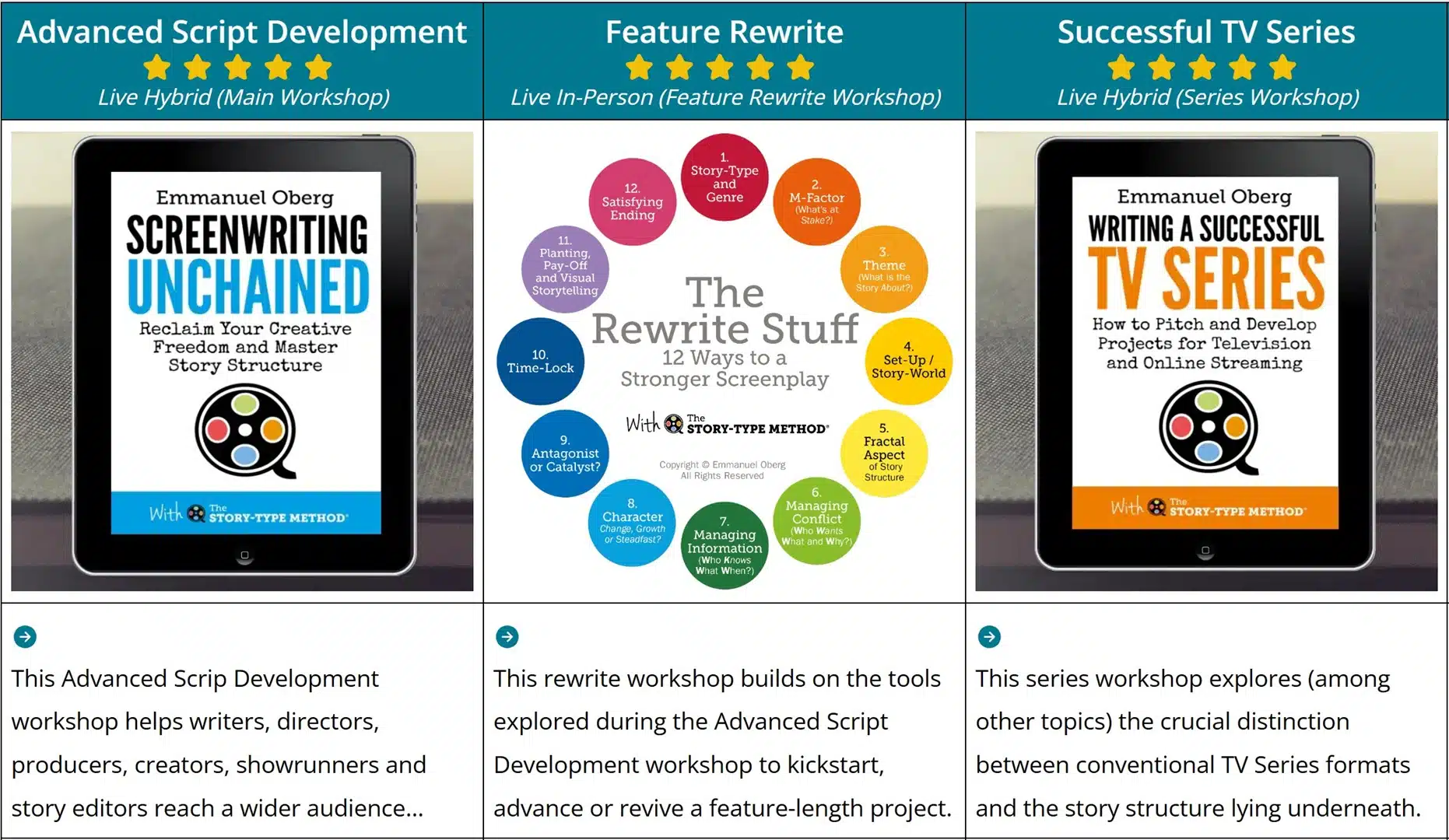
If you’ve done an online course, a live workshop with us or if you’ve used our script consulting and coaching services and you’d like to share your success story, please get in touch. We’d love to hear from you and we’ll be delighted to showcase your achievements!
Finding Out More About Our Training
If you’d like to find out more about our training, why not start with a free online course, webinar or e-book on script development introducing Emmanuel’s innovative method?

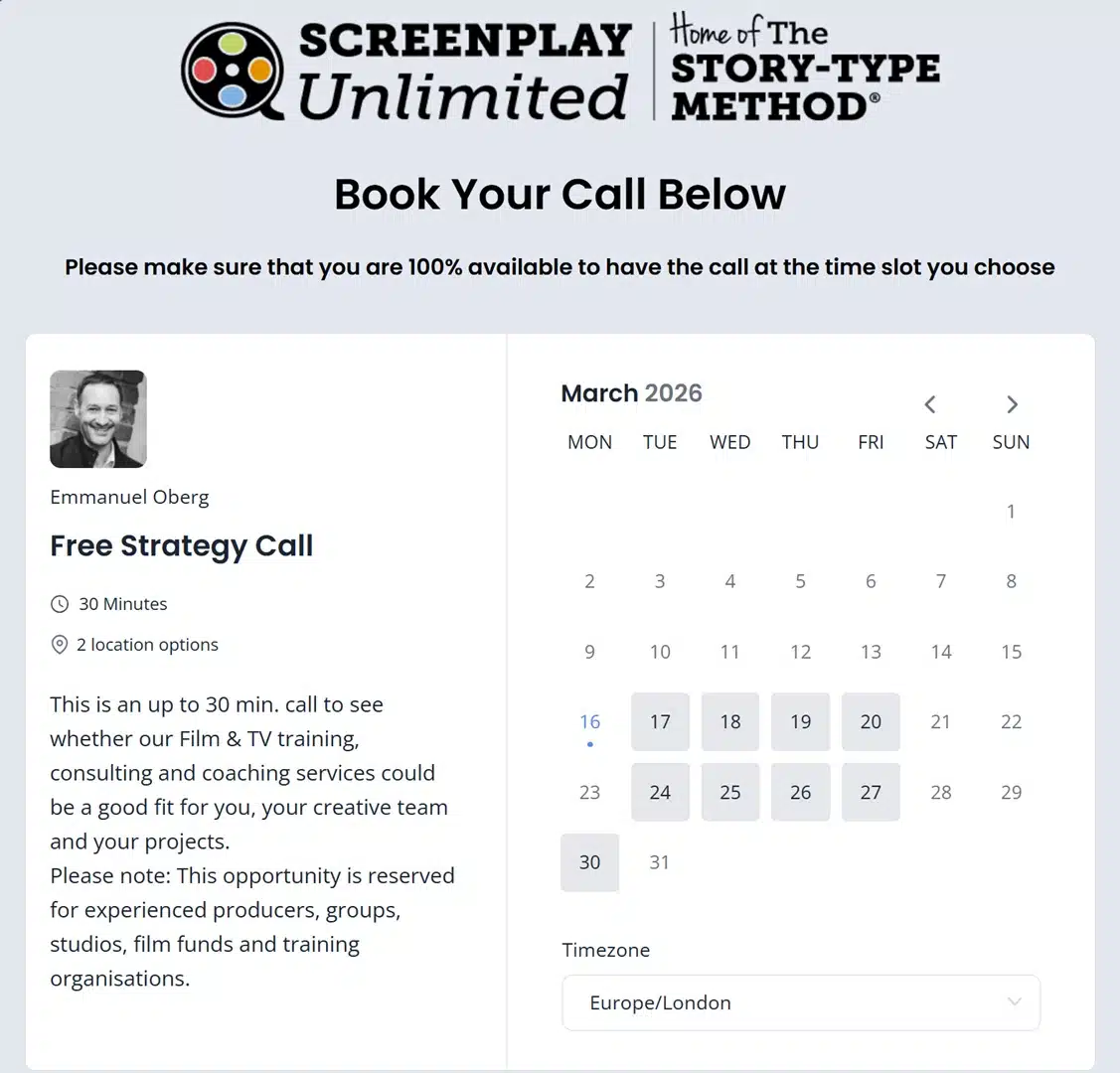
If you’re an experienced producer or represent a studio, a media group, a film fund or a training organisation and if you’d like to discuss a possible collaboration, please book a free strategy call with Emmanuel.
Register with us to receive our newsletter and
Get Access to FREE Resources

Interactive story tool, mini-course, webinar replays, book samplers, bonus content, case studies and more!